
Snow Farming in Seefeld: An Early Season Opening
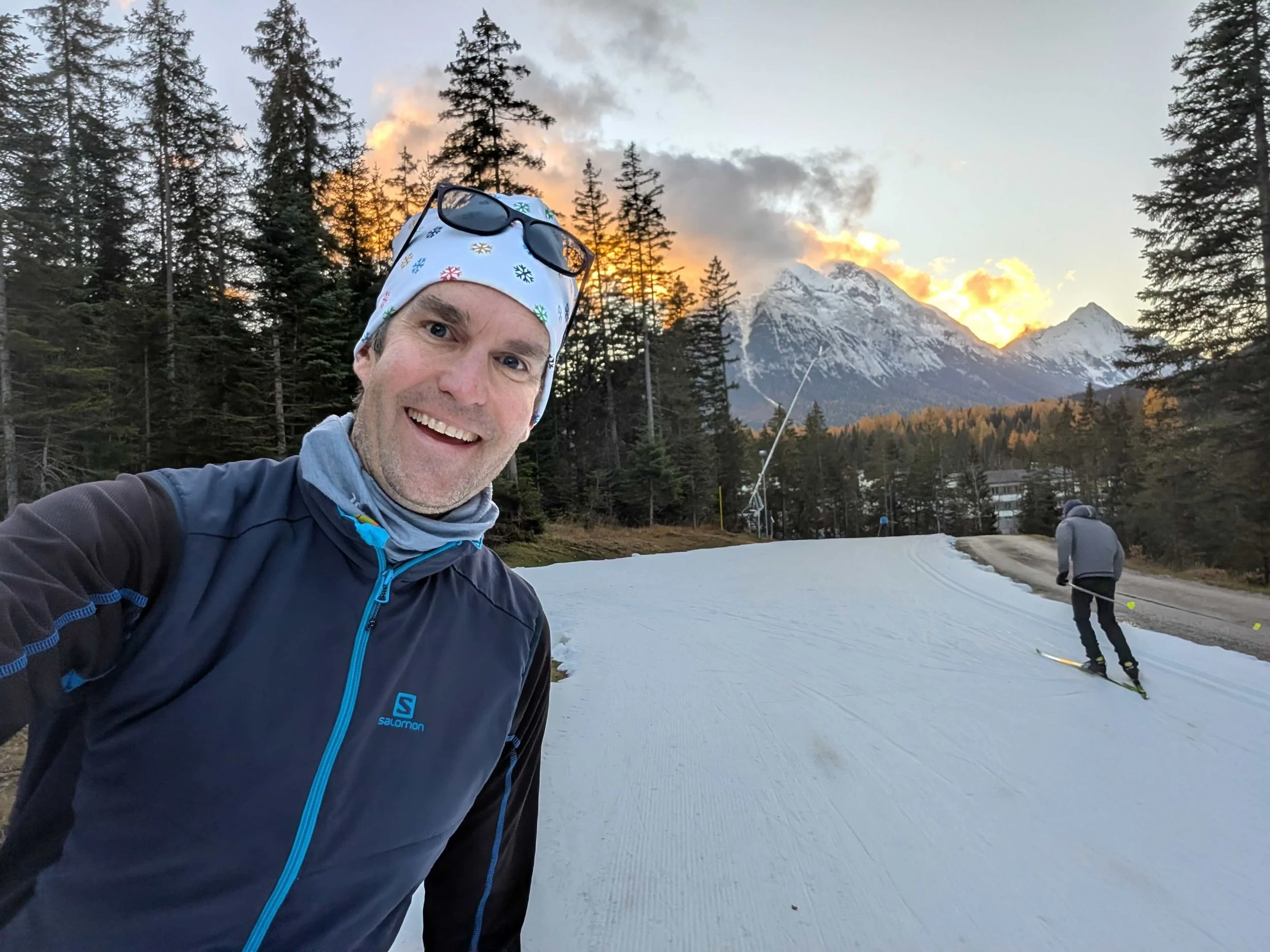
First tracks: Seefeld's cross-country ski trails are officially open for the 2026-27 season!
This Friday the 13th is a lucky for skiers in Tyrol: it’s opening day for the 2026-27 cross-country ski season in Seefeld! Skiers from across the region, myself included, are eager to get out and glide on snow for the first time this winter. While trees on nearby hillsides still hold onto their fall colors for a little longer, a 2.5-km trail has been laid out for athletes and recreational skiers to enjoy.
How do they do it? Seefeld, alongside a handful of other Nordic trail networks in the Alps, has pioneered the art of snow farming. Coupled with an extensive snow making system, the Seefeld trails are able to reliably open by mid-November each year, allowing skiers to ski on snow well before natural snow starts falling in December. Read on to learn about Seefeld’s snow farming capabilities, and where else you can find really early-season snow in Europe.
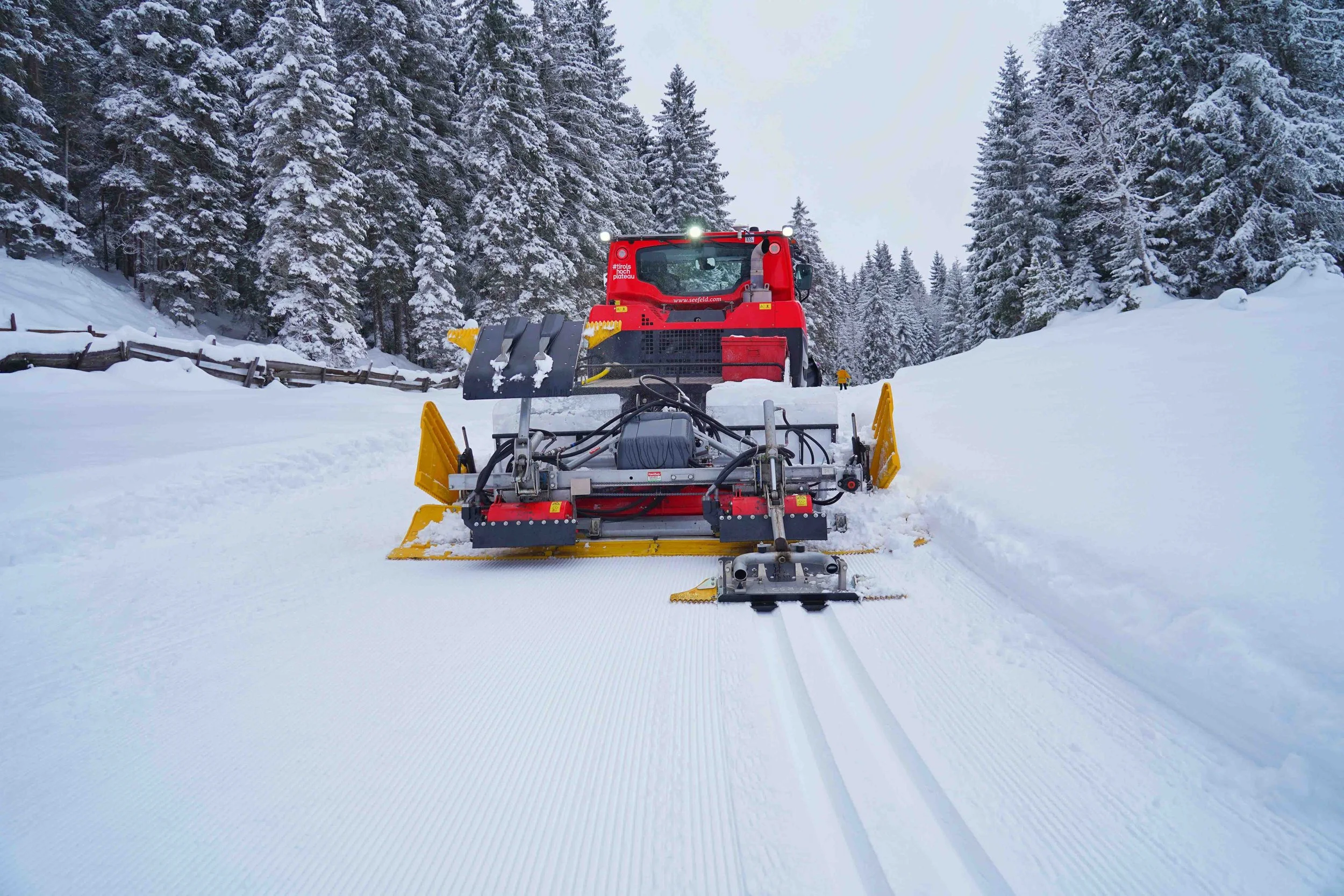
Seefeld’s groomers stay busy through the winter season
Saving Up for Next Year

Snow guns help build up Seefeld’s base before natural snow begins falling
Simply put, snow farming is nothing more than banking snow from one year to the next. Giant piles of snow are collected in late winter, then are cached under white tarps and thick layers of woodchips through the summer months before groomers spread it back on the trails in November, giving the trails a helpful headstart before natural snow begins to fall as the temperatures dip. Come springtime, the snow is harvested once again, renewing the cycle.
In reality, the process is guided by science and careful planning every step of the way. Snow piles are located in areas with good drainage, plenty of shade from nearby mountains and forests and easy access to the trails for efficient dispersal. Once a site has been located, the right blend of snow is key to ensuring it remains intact all summer long. Natural snow is mixed with artificial snow produced during cold, dry winter conditions, creating an ideal blend of ice crystals that resists melting better than natural snow alone. Buried under half a meter of insulating wood chips, each snow pile retains up to 90% of its original volume as many as six months later. It’s entirely possible that the snow we are skiing on in November is the same snow that Lumi guests skied on during the Seefeld & Engadin trip last March.
Special dump trucks outfitted with tracks haul Seefeld’s 8,000 cubic meters of banked snow back to the trails in the fall, carefully rebuilding the tracks in time for the new season to begin. Once temperatures drop below freezing, snow guns placed around the system are used to rapidly build up a base, which better holds natural snow, enhancing the trails quicker than mother nature can on her own. The early-season trails are carefully graded to be as smooth as possible, allowing a little snow to go a long way. I’m always impressed by how meticulously the groomers prepare the track. It’s almost impossible to find a rock or speck of dirt in the snow, making conditions ideal even for race skis on the first ski of the season.

Once natural snow takes over, Seefeld’s trails are hard to beat
Snow farming doesn’t work everywhere, which is why you don’t see it implemented at every trail system. A combination of efficient snow making and higher elevations is helpful. Seefeld’s trails sit at around 1200m (4000’), making them just high enough to justify the effort, plus the high mountains and thick forest protect the trails from the alpine sun. The results are worth it, setting a solid base for excellent conditions when guests arrive in January for trips like the Seefeld & Seiser Alm Sight-Skiing trips and Seefeld & Engadin Worldloppet trip in March.
A Unique Social Atmosphere
Local businesses like hotels and ski shops appreciate the extra month or more of reliable skiing that snow farming enables. Locals and athletic teams are also eager to ski on snow instead of roller skiing on pavement. When there are just a few short loops available early in the season, the trails feel surprisingly busy – in a good way. I love the early season excitement as everyone tests out their new gear and finds their rhythm on the first few kilometers of the year. It’s easy to meet up with friends and people I haven’t seen since last winter when everyone is cruising the same loop or two, even if you sit out a lap to grab a drink or snack along the way.

It’s fun running into friends on Seefeld’s early season trails
Planica’s Underground Snow Farm
The Planica Nordic Centre in Slovenia has one of Europe’s most unique snow farms. As temperatures rise each spring, snow is harvested from the trails and stored in a three-story underground parking garage beneath the main building. Inside, the snow is groomed for both classic and skate techniques, allowing skiers to practice on real snow year-round. As winter approaches, the snow is removed and used to build the base of the adjacent ski flying jumps. Although the snow tunnel is not available to ski during the winter months, you can still explore Planica’s nordic trails on Lumi’s Slovenia & Italy Sight-Skiing trip.

Garrott checks out the curling rink in the Planica ski tunnel
Sjusjøen Snow Farmers Stay Busy
Even Norway, far to the north, takes advantage of snow farming to get their ski season underway early. The skiers' paradise of Sjusjøen stores snow through the summer months before spreading it across a 4 km loop made up of entirely farmed snow. Once natural snow picks up, Sjusjøen’s trail network quickly balloons to over 350 km of groomed tracks. You can explore Sjusjøen’s expansive trail network on Lumi’s Norway Sight-Skiing and Norway Birken trips.
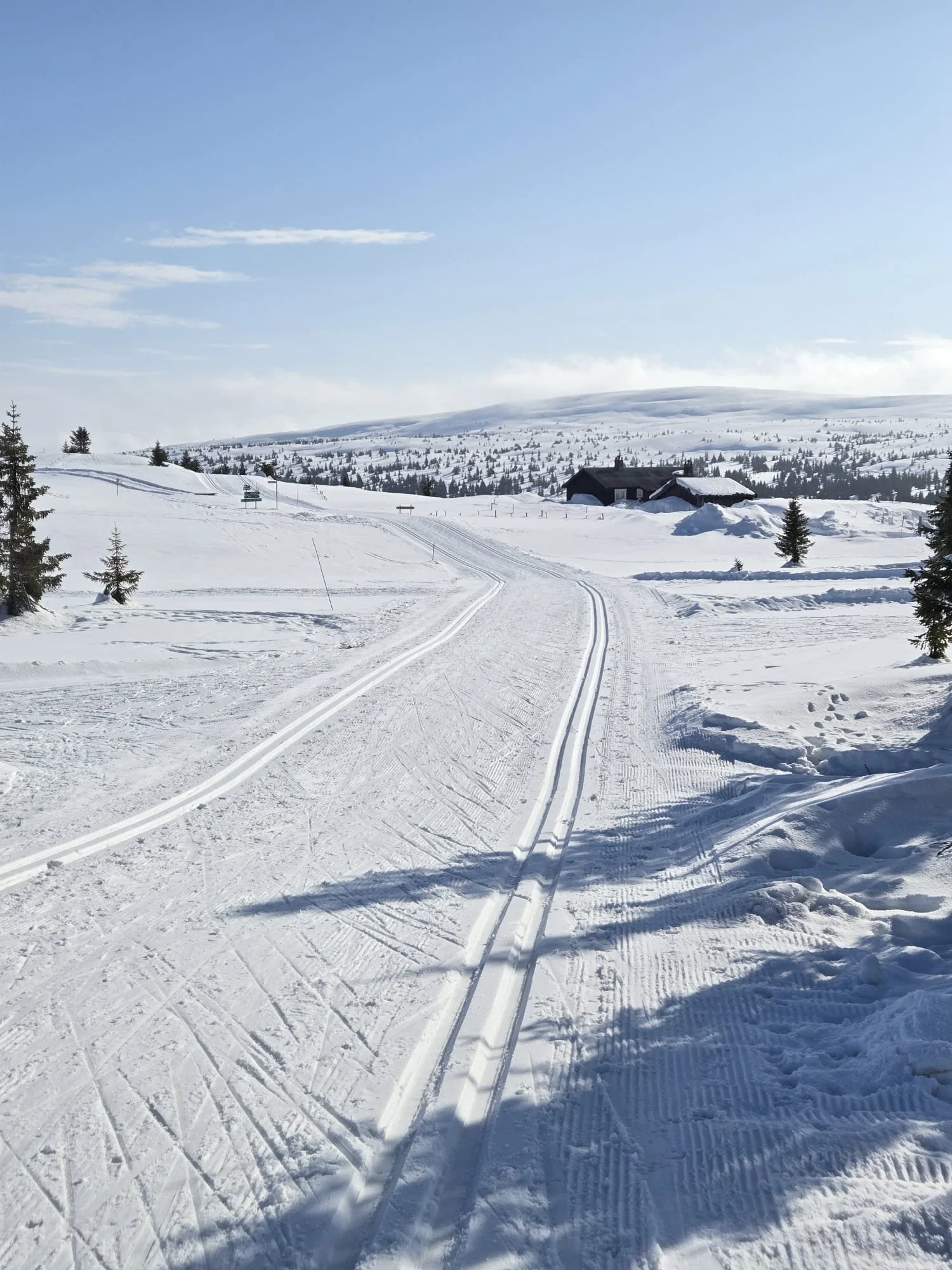
Sjusjøen’s open landscape is blanketed in trails
Would you like to ski Europe’s snow-secure trails this winter? There is still limited space on Lumi’s January 10-17, 2027 Seefeld & Seiser Alm Sight-Skiing trip, February 7-13, 2027 Norway Sight-Skiing trip, Slovenia & Italy Sight-Skiing trip and Seefeld & Engadin Worldloppet trip. Enjoy comfortable accommodations, support from local trip leaders, delicious regional cuisine and even ski waxing for variable early- and late-season trail conditions. Reach out to reservations@lumiexperiences.com to receive a detailed trip itinerary or to reserve your spots.
See you on the trail,
Garrott Kuzzy
garrott@lumiexperiences.com
Founder & Olympian, Lumi Experiences

Passo Lavaze in Italy has snowmaking capabilities to jumpstart their trail system early in the season