
Scandinavia vs. the Nordics: What’s in a Name?

Stockholm, Sweden is the largest city in Scandinavia, with 2.5 million residents in its metro area
When planning a winter getaway to Northern Europe, you might hear the terms “Scandinavia” and “the Nordics” used interchangeably. Both evoke images of deep snowy forests, long winters and a love for cross-country skiing. However, these two terms actually refer to distinct regions with unique histories and cultural nuances. In this week’s Lumi blog post, we’re digging into the differences and similarities between Scandinavia and the Nordic nations, from both geographic and cultural perspectives.

Forests across the Nordics are dominated by hardy pines that tolerate lengthy, snowy winters
Who’s In and Who’s Out
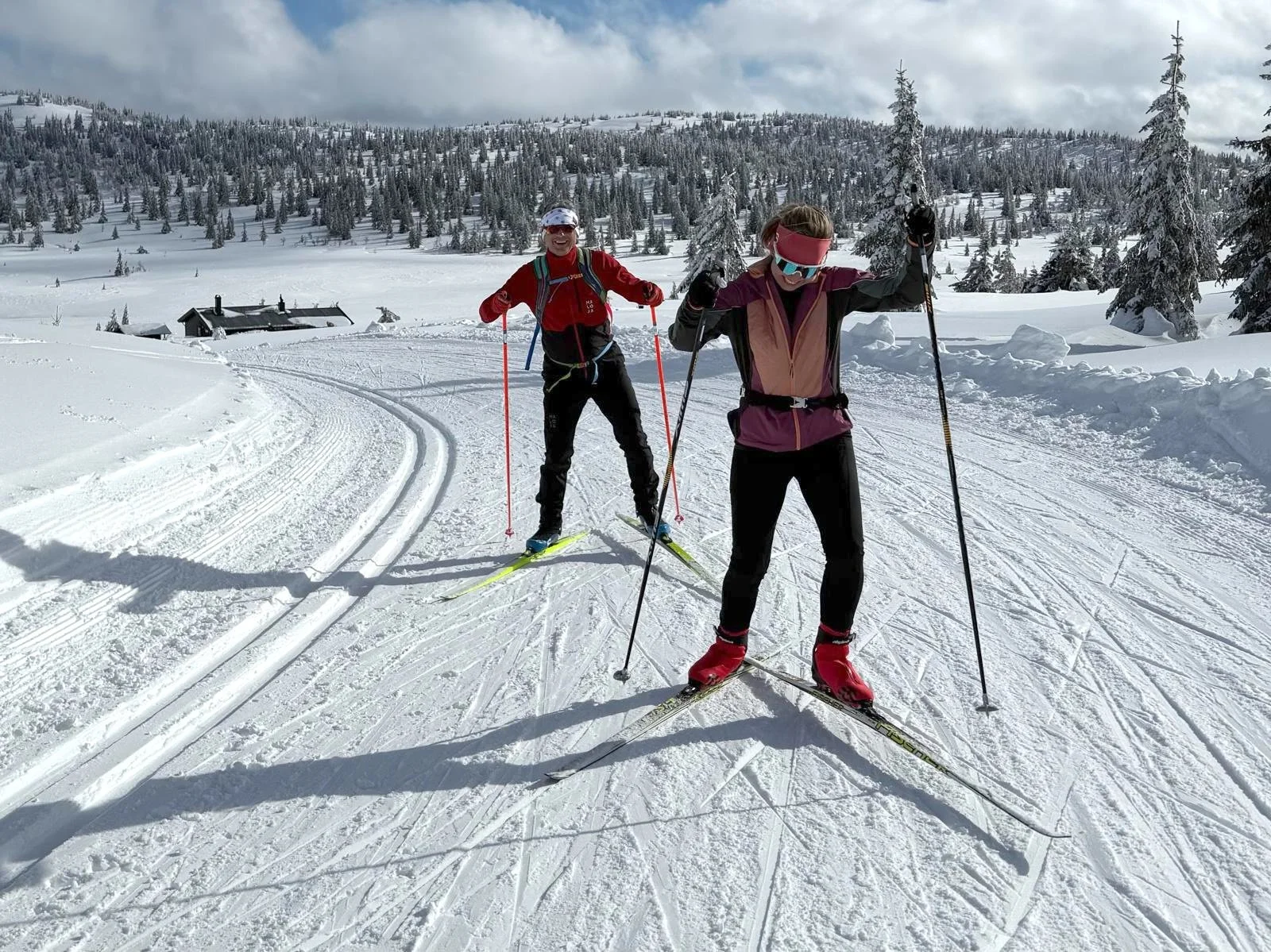
Norway's snowy landscape makes it a perfect destination for cross-country skiers
Strictly speaking, Scandinavia is made up of just three nations: Norway, Sweden and Denmark. These nations are located on or near the Scandinavian Peninsula, which today is split between Norway and Sweden. While Denmark is located just to the south, it is included due to its deep linguistic, historical and cultural ties. How close are Norway and Denmark? As thanks for their help during the Second World War, Norway gifted Denmark one of Oslo’s most scenic hotels, located on the Holmenkollen Plateau, around 1500 feet above sea-level . Because the hotel technically belongs to Denmark, the hotel staff joke that they are located at Denmark’s highest point. The historic hotel still stands and guests on Lumi’s Norway Sight-Skiing and Norway Birken trips stay here during their trip..
The Nordics is a broader umbrella term that includes all three Scandinavian countries, plus Finland, Iceland and several smaller autonomous regions. Despite their proximity, and similarity in their national flags, they don't all share the same linguistic roots. Finnish, for example, belongs to a completely different language family than the North Germanic languages of Scandinavia. Today, Nordic nations are bound together by shared political models, strong social welfare systems and a deep reverence for nature: ideals that consistently place these northern neighbors among the happiest countries in the world.

The Nordic Cross is featured on flags across the Nordic region
A Shared Banner: The Nordic Cross
One of the most visible connections across the region are their flags. Almost all Nordic peoples (with a few exceptions like Greenland and the Sámi people) fly flags featuring variations on the iconic Nordic Cross. First used in 13th century Denmark, the cross symbolizes the region’s shared Christian identity. Each nation has its own spin on this traditional design:
Denmark’s Dannebrog is widely considered to be the world’s oldest continuously used national flag, dating back to 1625. The simple white cross on a red field has inspired similar flags for over four centuries.
Sweden flies a yellow cross on a blue field, inspired by their national coat of arms.
Norway’s flag features a red field and white cross echoing Denmark, but with a blue inner cross, in a nod to Sweden.
Finland’s flag features a blue cross on a white background, representing the country’s thousands of lakes and snowy winters.
Iceland’s flag represents its dramatic landscape: a red cross (volcanic fire) bordered by white (glaciers and snow) on a blue field (the ocean and mountains).
Winter Culture: Saunas, Cabins and Fika

Norway
While the entire Nordic region shares a love for winter sports, each country brings its own distinct flavor to the winter experience. In Norway, the landscape is defined by dramatic wilderness and a deeply ingrained cabin culture. Norwegians enjoy visiting remote cabins, or hytte, where they relax amidst the nation’s unspoiled mountains and shoreline. Norway’s extensive trail network passes by scenic cabins throughout the nation, from Sjusjøen to Holmenkollen, offering skiers on Lumi’s Norway Sight-Skiing or Norway Birken trips the chance to experience Norway’s cabin culture up close.

Sweden
In Sweden, winter is all about fika, the cherished daily tradition of taking a break with coffee and a baked treat, often a cinnamon or cardamom bun. Fika is closer to English teatime than an American coffee break, in that it’s a chance to slow down and enjoy time-honored rituals that help bring peace to a chaotic day. Guests on Lumi’s Sweden Vasaloppet trip will have plenty of opportunities to fika, whether out on the trail or back in Mora during the Vasaloppet week.

Finland
In Finland, winter relaxation revolves around the sauna. Traditional Finnish saunas can be found throughout the country, and skiers on Lumi’s Finlandia & Tartu trip can sauna daily during their time in Finland. The cycle of a hot sauna followed by a cool down in frigid winter temperatures – or a quick cold plunge in a nearby lake – helps with circulation and mental clarity. It’s our favorite way to relax after a ski and a classic Finnish experience celebrated nationwide.
Iceland
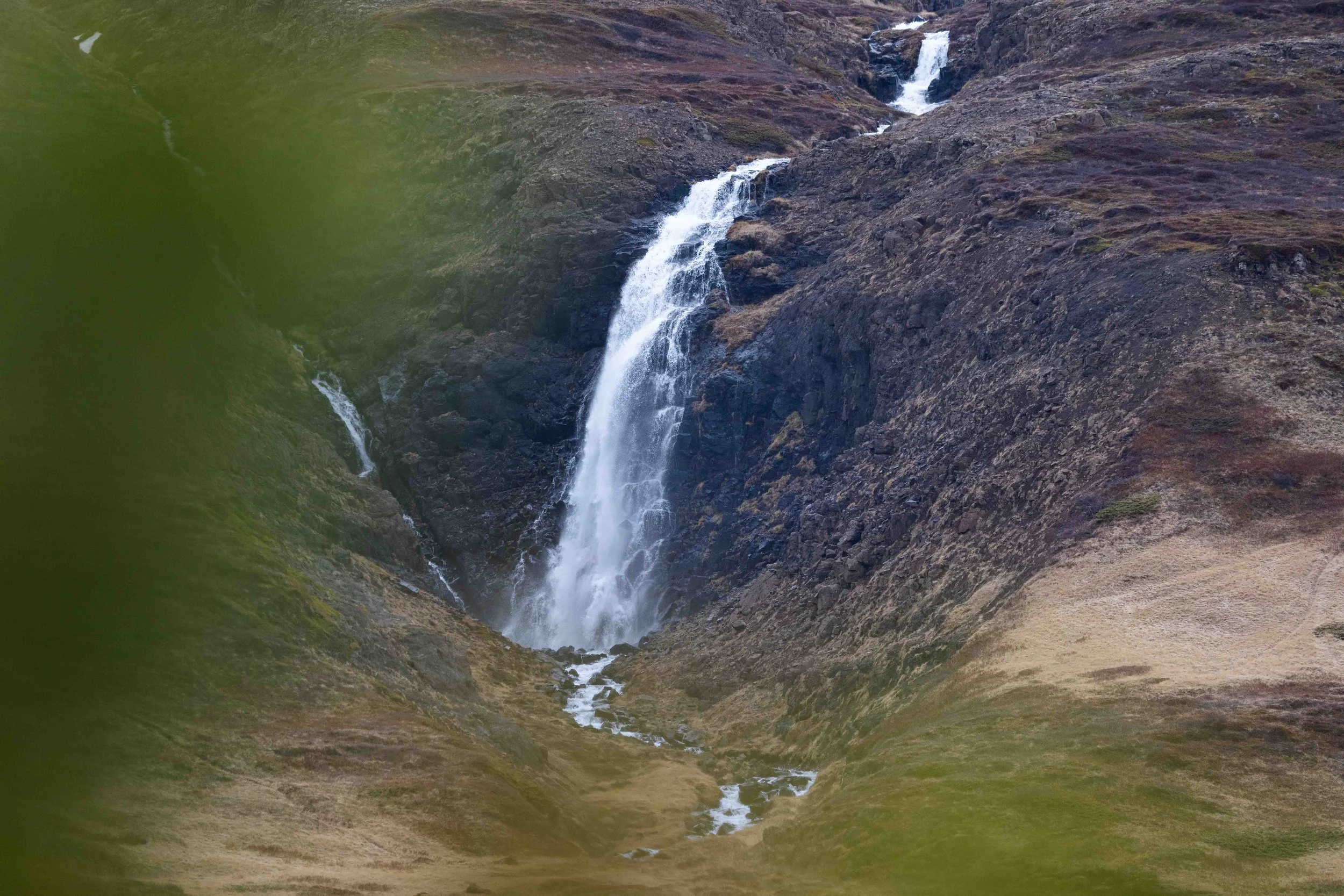
Similarly in Iceland, locals enjoy visiting geothermal hot springs to relax. Geothermal energy is readily available given the island’s ongoing volcanic activity, helping to not only power post-ski hot tubs, but much of the country’s heating and electrical needs. Iceland’s northern latitude makes it a prime location for aurora viewing, but for much of the deep winter the area is blanketed in darkness. In Ísafjörður, where Lumi visits for the annual Fossavatn Worldloppet, locals celebrate the return of the sunlight shining over the edge of nearby mountains by sizzling up solar pancakes for family and friends.

Cross-country skiing is the spectator sport of choice in many Nordic nations, seen here at the Holmenkollen World Cup in Norway
Book Your 2027 Nordic Ski Adventure with Lumi
Whether you travel to the traditional heart of Scandinavia or any one of the Nordic nations, you’ll find world-class trails and cultures that embrace winter. There is still limited space on Lumi’s trips to the Nordic nations this winter, including our Sweden Vasaloppet, Norway Sight-Skiing, Finlandia & Tartu and Iceland Fossavatn trips. Reach out to reservations@lumiexperiences.com to learn more or to book your trip.
See you on the trail,
Garrott Kuzzy
garrott@lumiexperiences.com
Founder & Olympian, Lumi Experiences