
Exploring History By Ski

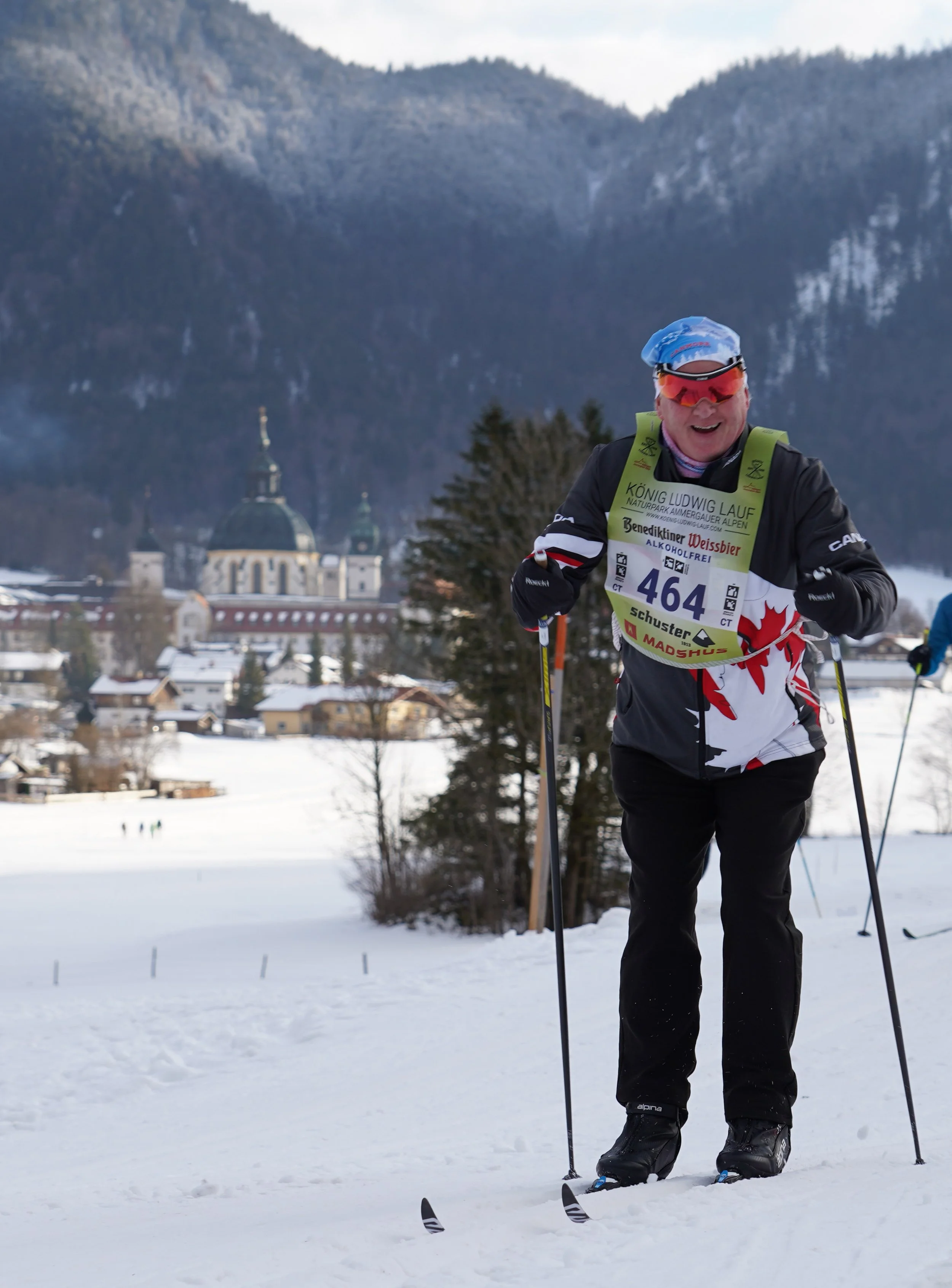
Skiers in the König Lugwig Lauf cruise past the Ettal Abbey outside of Oberammergau
Whether you’re a history buff or simply appreciate unique architectural styles that predate those found in North America, visiting historical sites on a trip to Europe is a given. Connecting with history gives us a chance to reflect on where we’ve come from and our path forward – not to mention a chance to catch our breath and enjoy the landscapes and cityscapes around us.
In this week’s blog, we’re exploring some of the historical sites you can visit on Lumi’s trips. Many of these special places can be viewed right from the trail, while others are located nearby or in villages where Lumi’s guests stay during their ski vacation overseas. Our trips are about more than skiing: they’re an exploration into a region’s culture and the people that have helped make these areas the destinations they are today.
Bavaria’s Historical Treasures
The Ettal Abbey stands proudly alongside the König Ludwig Lauf ski marathon course
The town of Oberammergau, Germany, in southern Bavaria hosts the annual König Ludwig Lauf Worldloppet event, a tradition dating back to 1968. Named after Bavaria’s late-1800s ruler, King Ludwig II, the ski marathon’s course passes by the famous Ettal Abbey, a Benedictine monastery originally founded in 1330. The Baroque church found at the site today dates back to the mid-1700s. Not only does it still function as an abbey, the several dozen monks that live and worship here also run a brewery and distillery, making local libations Lumi guests have the opportunity to try during their visit to the area on our Marcialonga & König Ludwig Lauf trip.

Neuschwanstein Castle, one of King Ludwig II's pet projects, sits high above the valley below
Just up the valley from Oberammergau, Lumi guests have toured two of Bavaria’s most famous historical sites, both built by King Ludwig II: Linderhof Palace and Neuschwanstein Castle. Linderhof Palace features ornate Rococo styling and was modeled after France’s Palace of Versailles. The palace’s gardens are extensive and considered to be some of the finest in Germany. Nearby, the Neuschwanstein Castle remains one of Europe’s most iconic structures. The fairy tale-like towers and picturesque hilltop location set it apart from any other castle in the region. Although it was unfinished at the time of King Ludiwg II’s death in 1886, the structure quickly became a popular tourist attraction and today welcomes over a million visitors each year. Neuschwanstein would later go on to inspire even more fanciful structures at Disney parks around the world.
Taking in History in Tallinn, Tartu and Helsinki
The Baltic nation of Estonia’s history dates back several thousand years. Centuries of Russian, German and Soviet occupation were quickly undone in 1991 when the nation gained its independence during the Singing Revolution. The successive occupations left their mark on the capital of Tallinn and the nation’s second city of Tartu, often referred to as Estonia’s intellectual capital.

Tallinn's skyline is dominated by historic steeples dating back centuries
Tallinn’s Old Town contains a multitude of historic buildings, including the ornate Alexander Nevsky Cathedral, ancient castle walls and narrow streets lined with restaurants and shops. The University of Tartu has anchored its namesake city since 1632 and contains many impressive architecturally significant buildings on its campus – including the the ruins of the city’s cathedral. Tartu’s historical campus and downtown are within easy walking distance of Lumi’s hotel on our Finlandia & Tartu trip, while many guests spend an extra day or two after their trip to explore Tallinn more deeply.

Tallinn's old town is lit up in winter for the city's famous Christmas market
On the other side of the Baltic Sea, the Finnish capital of Helsinki provides visitors with nearly 500 years of history to discover. The Helsinki Cathedral is one of the most notable structures in the city, while the Government Palace and the city’s university also flank the expansive Senate Square at the center of downtown. Helsinki’s long architectural history is contrasted against the more modern architecture of the present day as the city continues to grow and evolve. Lumi’s Finlandia & Tartu trip begins in Helsinki and we recommend arriving a day or two early not only to minimize your jetlag, but also to spend some time visiting one of Europe’s busiest port cities.

Helsinki Cathedral stands tall above downtown Helsinki, providing visitors with a great point of reference as they explore the city
Slovenia’s WWI History
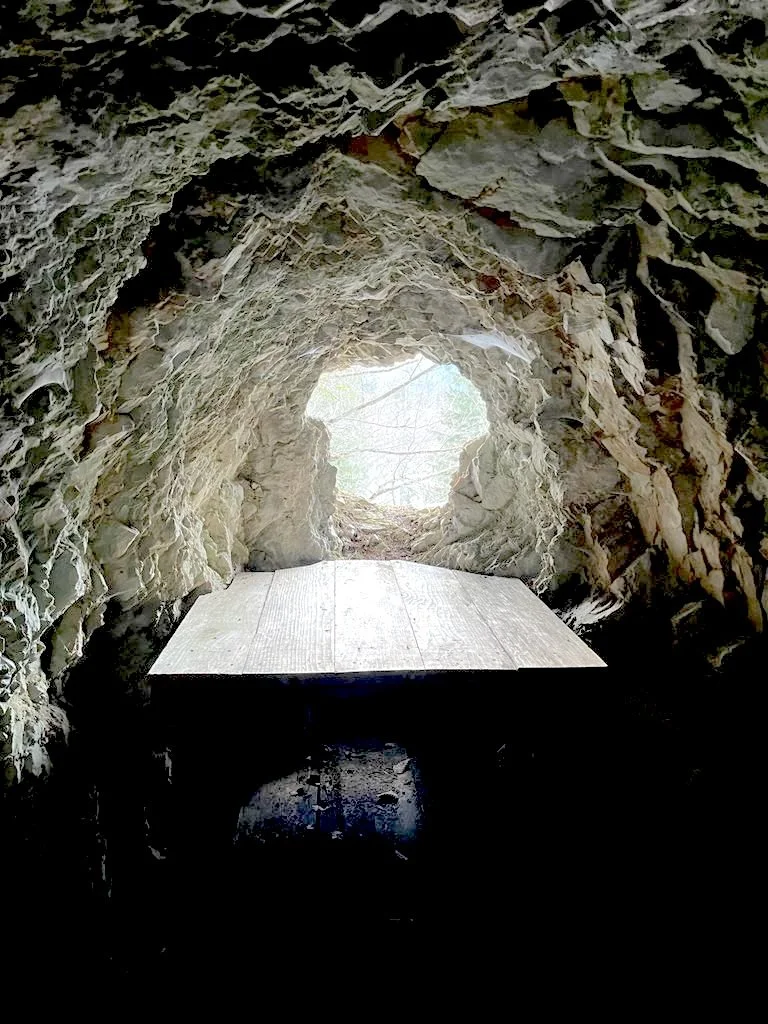
On Lumi’s Slovenia & Italy trip, guests are treated to daily history lessons from trip leader Matija, who grew up in the communities that the trip visits. Matija’s encyclopedic knowledge of the area shines throughout the trip, whether he’s describing the development of the Planica Nordic Centre or the historic hay racks that dot the landscape. In nearby Valbruna, Italy, guests have also enjoyed a tour of WWI-era bunkers carved into the Saisera Valley hillsides by defending troops along the Italian front. Our tour guide, Davide, is a regional expert and is proud to share the stories of local defenders who gave their lives to protect the quiet communities we now ski through.


Iceland’s Iconic Architecture
Iceland’s architectural stylings stem from its exposed oceanic location. Battered by frequent storms, the nation’s brightly painted, timber-framed houses are often clad in corrugated galvanized iron, a practical waterproofing style found from small villages to the capital of Reykjavík. The city’s Parliament House, built from Icelandic basalt, stands adjacent to Dómkirkjan, a neoclassical cathedral dating back to 1796. Nearby along the waterfront, the charming Höfði House gained global fame as the location for the historic 1986 Cold War summit between Ronald Reagan and Mikhail Gorbachev. No visit to Reykjavík would be complete without taking in the iconic Hallgrimskirkja, a modern cathedral completed in 1986 within walking distance of Lumi’s hotel on our Iceland & Fossavatn trip each April.

Visit Reykjavík's iconic Hallgrimskirkja within walking distance of your hotel
Would you like to visit historic castles, cathedrals and villages on your next ski vacation to Europe? There is still limited space on several Lumi trips this coming winter, including our Marcialonga & König Ludwig Lauf trip, Finland & Estonia trip, Slovenia & Italy trip and the Iceland & Fossavatn trip. Reach out to reservations@lumiexperiences.com to receive a detailed trip itinerary or to sign up.
See you on the trail,
Garrott Kuzzy
garrott@lumiexperiences.com